Gym Maintenance Guide: Safety, Equipment Uptime, and Member Experience
Gym maintenance protects member safety, equipment uptime, hygiene, and brand trust by controlling inspections, repairs, cleaning checks, asset history, and recurring facility issues.
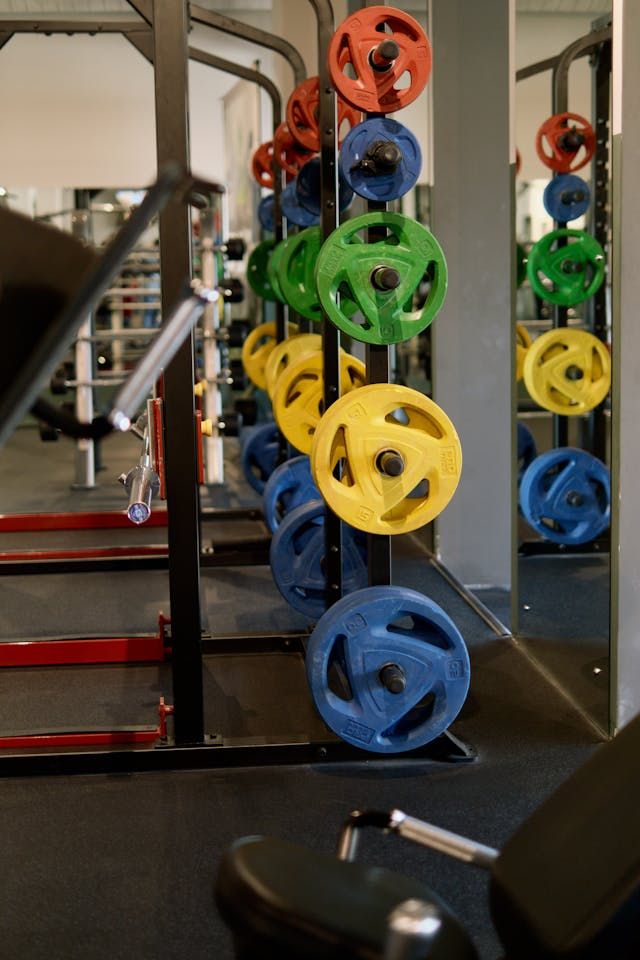
Gym maintenance is not only about fixing broken machines. It protects member safety, equipment availability, cleanliness, comfort, and trust.
When a treadmill fails, a cable machine frays, an air conditioner stops, a shower leaks, or lighting fails in a training area, members notice immediately. Some issues affect convenience. Others create safety risk.
A gym maintenance program should make issues visible early and ensure they are assigned, completed, and recorded.
Why gym maintenance matters
Gyms and fitness centers have heavy daily equipment usage. Machines may be used by many people with different habits, weights, and training styles. Wear is constant.
Common maintenance risks include:
- Loose bolts or unstable equipment
- Frayed cables
- Worn belts
- Treadmill faults
- Broken adjustment pins
- Damaged flooring
- Poor HVAC comfort
- Plumbing issues
- Electrical faults
- Poor cleaning and hygiene
- Equipment left out of service for too long
A small issue can quickly become a member complaint, injury risk, or reputational problem.
Build an asset register first
The foundation is a clear list of maintainable assets.
Include:
- Cardio machines
- Strength machines
- Free weight benches and racks
- Cable machines
- Functional training equipment
- Flooring zones
- HVAC units
- Lighting
- Restrooms and showers
- Lockers
- Water systems
- Fire and emergency assets
- Cleaning equipment
Each asset should have a code, location, manufacturer, model, serial number where relevant, and service history. A structured asset management software setup makes repeat issues easier to identify.
Daily safety checks
Daily checks should be simple and focused on member safety.
Useful daily checks include:
- Check for loose or unstable equipment.
- Inspect visible cable wear.
- Check treadmill belts and emergency stop buttons.
- Inspect benches, racks, and adjustment pins.
- Check flooring for trip hazards.
- Confirm lighting is working.
- Inspect restrooms and wet areas.
- Record equipment that is out of service.
If staff see a defect, they should create a request immediately. Verbal reminders get lost during busy hours.
Weekly equipment checks
Weekly checks can be more detailed.
Examples:
- Inspect bolts, fasteners, and frames.
- Check lubrication points where applicable.
- Test machine movement and abnormal noise.
- Review cable tension and pulley condition.
- Check treadmill deck and belt condition.
- Inspect upholstery tears.
- Check electrical plugs and visible wiring.
- Review repeated member complaints.
A preventive maintenance software workflow helps gym operators schedule recurring checks and prove they were completed.
Facility maintenance should not be ignored
Members judge the gym by the full facility, not only machines.
Facility maintenance includes:
- HVAC comfort
- Air quality and ventilation
- Lighting
- Washrooms and showers
- Drainage
- Drinking water points
- Lockers
- Doors and access control
- Fire safety assets
- Cleaning standards
A well-maintained treadmill does not protect the experience if the changing room is leaking or the HVAC fails during peak hours.
Work requests from staff
Front desk staff, trainers, cleaners, and members often see issues before the maintenance team. The process should make it easy to report problems.
Good work requests include:
- Asset or area
- Problem description
- Photo where possible
- Safety risk indicator
- Urgency
- Time observed
A work order management software system helps turn requests into assigned jobs instead of scattered WhatsApp messages or notes.
Track out-of-service equipment
Equipment left out of service damages member trust. Managers should know:
- Which equipment is unavailable
- Since when it has been down
- Why it is pending
- Whether parts or vendor support are required
- Expected completion date
This visibility prevents silent delays.
Keep spare parts and vendor records
Some gym equipment repairs wait because simple parts are unavailable.
Track critical spares such as:
- Cables
- Belts
- Pins
- Handles
- Bearings
- Bolts
- Upholstery parts
- Sensors
- Electrical parts
Also keep vendor service records, warranty information, and contract contacts attached to the asset where possible.
Review repeat failures
A machine that fails repeatedly needs more than repair. It needs review.
Look for:
- Same treadmill failing repeatedly
- Same cable machine needing frequent adjustment
- Frequent member complaints on one asset
- High spare usage
- Recurring HVAC complaints
- Repeated plumbing issues
A simple analytics and reporting software view can help managers identify the worst assets and areas.
Bottom line
Gym maintenance protects safety, uptime, hygiene, and member experience. The best approach is not complicated: list assets, inspect regularly, make reporting easy, assign work clearly, track out-of-service equipment, and review repeat issues.
A CMMS helps gym and facility teams move from informal problem handling to clear maintenance execution with asset history, work orders, checklists, photos, and reports.
Frequently asked questions
- How often should gym equipment be inspected?
Visually, every day. Full checks monthly with documented results.
- How do I prevent mold in the locker room?
Improve airflow, clean regularly, and check hidden corners.
- What cleaning products are best for gym equipment?
Use alcohol-based, non-abrasive disinfectants approved by your equipment vendors.
- Can I outsource gym maintenance?
Yes, but daily safety checks and cleanliness must still be handled in-house.
- What’s the difference between gym cleaning and gym maintenance?
Cleaning is hygiene-related (e.g., wiping surfaces). Maintenance is operational — it keeps machines running and prevents failure.
- Is “gym maitance” a real search term?
It’s a misspelling of “maintenance” but shows up in search data. We recommend covering both spelling variants if you’re running ads or internal search tools.