Bowling Alley Maintenance Checklist: Daily, Weekly, and Planned Tasks
A bowling alley maintenance checklist should cover lane readiness, pinsetters, ball returns, scoring systems, HVAC, safety areas, cleaning, work requests, spares, and follow-up actions.
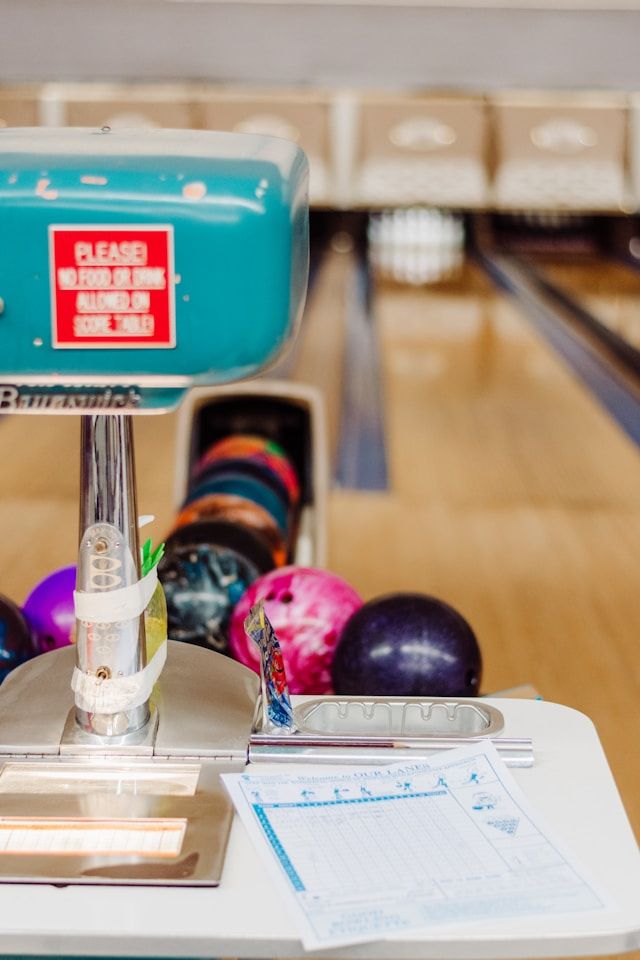
A bowling alley maintenance checklist should help the team keep lanes open, guests safe, equipment reliable, and facility issues visible.
The checklist should not become paperwork that staff tick without thinking. It should guide daily inspections, weekly maintenance, planned service, and follow-up work when defects are found.
This checklist is designed for bowling center owners, facility managers, supervisors, technicians, and operations staff.
Daily opening checklist
Daily checks protect guest experience before the center opens.
Check:
- Lanes are clean and ready.
- Approaches are dry and safe.
- Ball returns are working.
- Pinsetters cycle correctly.
- Scoring systems and screens are working.
- Lighting is working in customer areas.
- Seating areas are clean and safe.
- Restrooms are ready.
- HVAC comfort is acceptable.
- Emergency exits are clear.
- Any out-of-service lane is recorded.
Daily checks should be short enough to complete consistently.
Lane and approach checklist
Lane condition affects both play quality and safety.
Check:
- Surface damage
- Spills or moisture
- Approach area condition
- Uneven or damaged flooring
- Lane oiling complaints
- Visible scratches or abnormal wear
- Cleaning completion
- Customer complaint trends
Any defect should be recorded with lane number and photo where useful.
Pinsetter checklist
Pinsetter issues can stop a lane immediately.
Check:
- Abnormal noise
- Repeated jams
- Visible loose parts
- Belt or chain condition
- Sensor or switch issues
- Dust and debris buildup
- Guard and cover condition
- Cycle performance
- Previous downtime notes
Repeated issues should become work orders, not just daily remarks.
Ball return checklist
Ball return problems affect customer experience quickly.
Check:
- Smooth ball return
- Unusual noise
- Track cleanliness
- Roller condition
- Stuck ball complaints
- Sensor operation where applicable
- Damage or obstruction
If the same lane has repeated return issues, review the asset history.
Scoring and electronics checklist
Scoring faults create frustration even when mechanical systems are running.
Check:
- Screens power on correctly.
- Console input works.
- Lane scoring is accurate.
- Cables and visible connections are secure.
- Repeat reset issues are recorded.
- Vendor support is requested for recurring faults.
Use work order management software to avoid losing these issues in verbal complaints.
Facility checklist
A bowling center is also a public facility. Maintenance should include:
- HVAC units
- Electrical panels
- Lighting
- Restrooms
- Plumbing
- Doors and access points
- Fire safety assets
- Seating and furniture
- Kitchen or café equipment
- Parking and exterior areas where applicable
Facility problems affect safety and customer experience even when lanes are operational.
Weekly checklist
Weekly checks should go deeper than opening inspection.
Include:
- Mechanical cleaning
- Fastener checks
- Moving part inspection
- Lubrication checks where applicable
- Review of repeated lane faults
- Spare part stock review
- Safety walk-through
- Lighting and electrical visual check
- Restroom and plumbing review
- Vendor pending work review
A preventive maintenance software workflow helps schedule and track these recurring checks.
Monthly checklist
Monthly checks should focus on reliability and planning.
Include:
- Lane downtime report review
- Worst-performing lane review
- Pinsetter service review
- Ball return condition review
- Scoring system issue review
- HVAC filter and service review
- Critical spare stock review
- Open work order review
- Contractor service review
- Improvement actions
This is where management turns maintenance data into decisions.
Spare parts checklist
Keep basic spares visible and controlled.
Review:
- Belts
- Sensors
- Switches
- Rollers
- Lamps
- Fasteners
- Cleaning consumables
- HVAC filters
- Electrical consumables
A spare parts inventory management software process helps avoid downtime caused by missing small parts.
What every checklist finding should include
When a defect is found, record:
- Asset or area
- Lane number where applicable
- Problem description
- Photo if useful
- Safety impact
- Customer impact
- Priority
- Owner
- Due date
- Follow-up requirement
A checklist without follow-up only proves that someone noticed the problem. It does not prove the problem was fixed.
Bottom line
A bowling alley maintenance checklist should protect uptime, safety, and guest experience. Keep it practical: daily readiness, weekly inspection, planned maintenance, spare review, and clear work order follow-up.
A CMMS helps public venues connect checklists, work requests, work orders, assets, spares, and reports into one maintenance process.
Frequently asked questions
- What’s the best way to manage recurring tasks?
Use a CMMS like MaintBoard — it auto-schedules, sends reminders, and stores task completion logs.
- Is this checklist useful for small centers too?
Yes. With fewer lanes, each breakdown has more impact. PM matters more, not less.
- Can I skip areas I don’t use often?
You can, but regular checks catch small issues before they grow. Even low-use equipment breaks down when ignored.
- How often should I update my bowling alley maintenance checklist?
At least once per quarter. Update it whenever you add new equipment, change operating hours, or notice patterns in equipment failures.
- What’s the best way to train staff on using the checklist?
Start with a walkthrough during a team meeting, pair new hires with a tech for shadowing, and post laminated copies in key areas. A CMMS like MaintBoard makes it even easier with mobile access and digital tracking.