WHO PQS Cold Chain Guide: Maintenance Controls for Vaccine Storage Reliability
Cold chain reliability depends on qualified equipment, temperature monitoring, calibration, alarm response, preventive maintenance, power readiness, and documented corrective action.
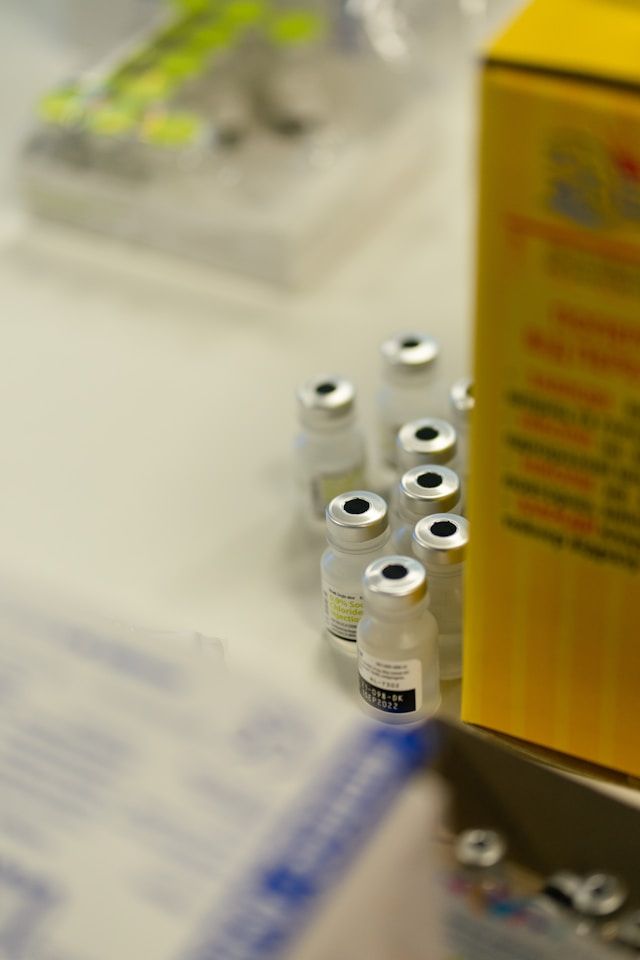
Cold chain equipment protects temperature-sensitive products such as vaccines, biologics, samples, and medicines. When cold chain assets fail, the issue is not only downtime. It can become a product quality, patient safety, compliance, and financial risk.
WHO PQS is commonly used as a reference point for performance, quality, and safety expectations in vaccine cold chain equipment. Maintenance teams do not need to turn this into complicated theory. They need a disciplined system that keeps equipment reliable and evidence available.
This guide focuses on practical maintenance controls for cold rooms, vaccine refrigerators, freezers, data loggers, temperature sensors, alarms, and backup systems.
What cold chain maintenance must control
A cold chain maintenance program should control:
- Equipment condition
- Temperature monitoring
- Alarm response
- Calibration status
- Door and sealing condition
- Power backup readiness
- Preventive maintenance completion
- Breakdown response
- Corrective action history
- Audit evidence
If any of these controls are weak, the team may not be able to prove that products stayed within required conditions.
1. Keep cold chain assets clearly identified
Every cold chain asset should have a unique asset code and location. This includes refrigerators, freezers, cold rooms, chillers, condensers, sensors, controllers, data loggers, alarms, and standby power assets.
Useful asset details include:
- Asset code and asset name
- Storage area or room
- Temperature range requirement
- Criticality
- Responsible maintenance team
- Calibration requirement
- Linked SOPs and manuals
- Backup power dependency
- Service vendor details where applicable
A structured asset management software setup helps the team see complete history for each cold chain asset.
2. Monitor temperature and respond to alarms
Temperature monitoring is only useful when someone acts on abnormal readings.
The maintenance process should define:
- Who receives alarms
- How quickly alarms must be acknowledged
- What first checks must be done
- When to escalate to quality or operations
- How to record the event
- How to verify the asset returned to normal condition
Alarm history should be reviewed for repeated issues. Frequent alarms may point to door discipline, overloading, sensor problems, compressor issues, defrost problems, or poor airflow.
3. Maintain calibration control
Temperature sensors, data loggers, controllers, and reference instruments need clear calibration control where applicable.
Track:
- Calibration due date
- Certificate reference
- Calibration result
- Out-of-tolerance findings
- Asset affected
- Corrective action taken
- Next due date
A calibration management software workflow helps prevent missed due dates and keeps certificates connected to the asset.
4. Schedule preventive maintenance
Cold chain equipment should not be maintained only after alarms occur. Planned checks help prevent excursions.
Preventive maintenance should include:
- Condenser and evaporator coil inspection
- Fan condition
- Drain line condition
- Door gasket condition
- Ice buildup
- Electrical panel condition
- Compressor noise and heat
- Alarm test
- Defrost performance
- Controller and display condition
- Airflow blockage
- Backup power readiness
Using preventive maintenance software helps ensure these checks are planned, assigned, and completed on time.
5. Control door discipline and loading practices
Many cold chain problems are not caused by major equipment failure. They come from operating conditions.
Check:
- Doors left open too long
- Damaged door gaskets
- Poor loading pattern
- Stored material blocking airflow
- Overloaded racks
- Frequent access during peak activity
- Goods placed near sensors or vents
Maintenance and operations should review these findings together. A technical fix alone may not solve a process problem.
6. Prepare for power failure
Power readiness is critical for cold chain reliability.
Review:
- Generator or UPS availability
- Changeover process
- Fuel or battery condition
- Alarm operation during power failure
- Emergency contact list
- Escalation procedure
- Test records
Backup systems also need maintenance. A generator that is never tested can become a false sense of security.
7. Record breakdowns with quality impact
When a cold chain asset fails, record more than repair details.
Capture:
- Asset and storage area affected
- Time failure was detected
- Temperature trend or alarm details
- Immediate containment action
- Material impact or quality escalation
- Root cause where known
- Corrective action
- Parts replaced
- Verification after repair
- Follow-up required
A work order management software process keeps this evidence connected and retrievable.
8. Review repeated warnings
Repeated alarms, recurring ice buildup, frequent gasket damage, sensor drift, or repeated compressor trips should trigger deeper review.
Supervisors should ask:
- Is the PM frequency correct?
- Is the asset overloaded?
- Are users following door discipline?
- Is calibration overdue?
- Is the equipment near end of life?
- Are spare parts causing repair delay?
Bottom line
Cold chain reliability depends on more than refrigeration equipment. It depends on maintenance discipline, monitoring, calibration, alarm response, power readiness, and clear records.
A CMMS helps cold chain teams connect assets, PM schedules, calibration due dates, work orders, breakdown history, spare parts, photos, and documents so vaccine storage risks are visible before they become quality events.
Frequently asked questions
- What is WHO PQS cold chain compliance?
WHO PQS cold chain compliance means using equipment that meets the World Health Organization’s PQS standards and maintaining it through regular monitoring, calibration, and documentation. This ensures vaccines stay within the safe temperature range of 2–8°C.
- Why is PQS compliance important for vaccine storage?
PQS compliance is crucial because it ensures vaccines are stored at the correct temperature, reducing the risk of spoilage and ensuring public safety. It also helps facilities meet international health regulations and qualify for funding programs like Gavi.
- Is WHO PQS compliance required for private cold chain providers?
While not legally required for all private providers, WHO PQS compliance is widely adopted by private healthcare and logistics companies to meet global standards and ensure trust in their vaccine handling processes.
- How does a CMMS help with WHO PQS compliance?
A CMMS (Computerized Maintenance Management System) helps automate preventive maintenance, store temperature logs, track equipment calibration, and generate audit-ready reports. It streamlines compliance and reduces the risk of human error.
- Can WHO PQS cold chain compliance improve audit readiness?
Yes. Maintaining detailed digital records of maintenance, temperature logs, and alarm responses ensures your cold chain system is always prepared for audits and inspections, both internal and external.
- What’s the difference between WHO PQS and GMP compliance?
WHO PQS focuses specifically on the performance and maintenance of vaccine cold chain equipment. GMP (Good Manufacturing Practice) is broader and applies to the production, storage, and handling of all pharmaceutical products.