Freezer Downtime Tracking in Pharma: 5 Methods That Protect Compliance
Freezer downtime tracking helps pharma teams detect excursions, prove response, protect product, and connect cold storage failures to maintenance action.
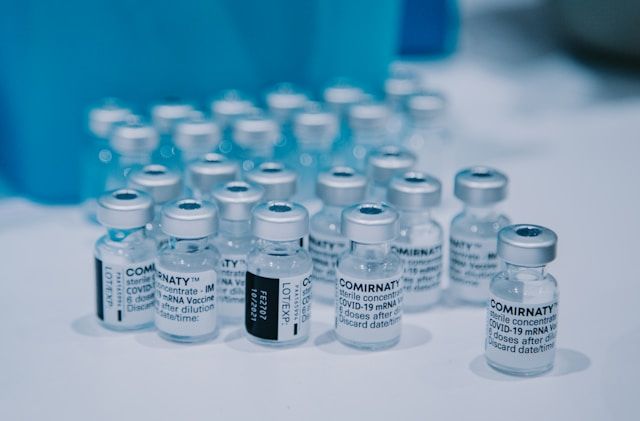
Freezer downtime in pharma is a quality, compliance, and patient-safety risk.
When a freezer storing vaccines, biologics, clinical samples, APIs, or temperature-sensitive products fails, the question is not only “how fast did maintenance fix it?” The bigger questions are:
- When did the issue start?
- How long was the freezer outside control?
- Who was alerted?
- What material was affected?
- What action was taken?
- Was the repair verified?
- Is the evidence available for quality review?
Freezer downtime tracking helps maintenance, quality, and operations respond with facts instead of assumptions.
1. Track downtime from the first abnormal signal
Freezer downtime should not start only when a technician arrives. It should start when the asset can no longer maintain the required condition or when an alarm indicates risk.
Track:
- Alarm start time
- Temperature excursion start time if applicable
- Maintenance notification time
- Technician response time
- Repair start time
- Repair completion time
- Return-to-normal time
- Quality release or disposition time
This timeline helps the quality team understand product exposure and helps maintenance understand response delays.
2. Use alarm history, not only manual logs
Manual logs are useful, but they may miss events between checks.
Freezer tracking should use alarm history where available:
- High temperature alarm
- Low temperature alarm
- Door open alarm
- Power failure alarm
- Sensor fault
- Controller fault
- Compressor fault
- Communication failure
Alarm history should be reviewed with maintenance records. A recurring alarm may indicate door discipline issues, gasket failure, sensor drift, defrost problems, or compressor weakness.
3. Record maintenance work against the freezer asset
Every freezer failure or abnormal condition should be connected to the specific asset.
The work order should capture:
- Freezer ID or asset code
- Location
- Failure symptom
- Alarm details
- Temperature evidence where applicable
- Technician action
- Parts replaced
- Vendor support
- Photos or attachments
- Completion time
- Verification reading
- Follow-up action
A work order management software process makes this history searchable by freezer, date, downtime, and failure type.
4. Connect calibration and sensor reliability
Freezer downtime tracking depends on trustworthy measurements.
If the temperature probe, data logger, or controller sensor is out of calibration, the team may not be able to rely on the recorded condition.
Maintenance and quality teams should track:
- Calibration due dates
- Calibration certificates
- Sensor replacement history
- Display versus reference checks
- Out-of-tolerance findings
- Alarm set point verification
- Mapping or qualification references where applicable
A calibration management software workflow helps reduce the risk of expired calibration and missing certificates during audits.
5. Review repeated freezer downtime patterns
Freezer downtime should be reviewed as a trend, not only as individual incidents.
Look for patterns such as:
- Same freezer failing repeatedly
- Same alarm appearing frequently
- Failures during peak door opening hours
- Delays due to spare parts
- Compressor failures after poor cleaning
- Ice buildup before temperature drift
- Sensor faults before excursions
- Vendor response delays
This review helps the team decide whether to change PM frequency, improve operator checks, replace weak components, keep critical spares, or escalate asset replacement.
A maintenance analytics software view can help show freezer downtime count, duration, repeat failures, and open corrective actions.
What maintenance teams should inspect
Useful freezer PM checks include:
- Door gasket condition
- Door closing and latch operation
- Ice buildup
- Condenser cleanliness
- Evaporator fan operation
- Drain condition
- Alarm test
- Controller display
- Backup power readiness
- Unusual noise or vibration
- Compressor running condition
- Sensor mounting and cable condition
These checks should be scheduled, assigned, and recorded through a preventive maintenance software process.
What quality teams usually need from maintenance
Quality teams need evidence, not just verbal confirmation.
Useful evidence includes:
- Work order history
- Downtime timeline
- Alarm details
- Temperature records
- Calibration certificates
- Corrective action records
- Photos or service reports
- Vendor reports
- Verification after repair
- Preventive action taken
This helps quality decide whether deviation, investigation, CAPA, or product impact review is required.
Common mistakes to avoid
Avoid these mistakes:
- Recording only repair completion time
- Not capturing alarm start time
- Keeping temperature logs separate from maintenance work
- Closing work without verification reading
- Ignoring repeated nuisance alarms
- Missing calibration due dates
- Treating freezer failures as only engineering issues
- Not reviewing spare part delays
A freezer failure crosses maintenance, quality, operations, and compliance. The workflow should reflect that.
Bottom line
Freezer downtime tracking in pharma is about response, evidence, and prevention.
The team must know when the issue started, how long it lasted, what product may be affected, what maintenance did, and how the condition was verified.
When freezer downtime, calibration, PMs, alarms, and corrective actions are connected, the plant is better prepared for both real failures and audit questions.
Frequently asked questions
- How do I know if downtime affected stored vaccines?
Review real-time temperature data during the downtime window. If temperatures exceeded safe thresholds, stability studies and QA review are required.
- Should all freezer downtime events be logged?
Yes. Even short or resolved incidents should be recorded, including root cause and action taken, to meet compliance and analyze patterns.
- Can a CMMS track both freezer downtime and maintenance?
Absolutely. A CMMS tracks freezer downtime, preventive maintenance, failures, and CAPA in one place — boosting visibility and accountability.