MaintBoard Predictive Maintenance Software

Predictive Maintenance for Plants & Facilities

Use meter readings and condition checks to catch issues earlier

MaintBoard helps maintenance teams use meter readings, condition checks, and thresholds to spot issues earlier and plan follow-up work.

What Is MaintBoard Predictive Maintenance Software?

MaintBoard Predictive Maintenance Software helps maintenance teams track meter readings, review condition checks, and trigger follow-up work before problems become harder to manage.
Key Benefits

  • Review readings and condition checks in one place
  • Spot recurring issues earlier
  • Trigger follow-up work from thresholds and readings
  • Keep reading history linked to each asset
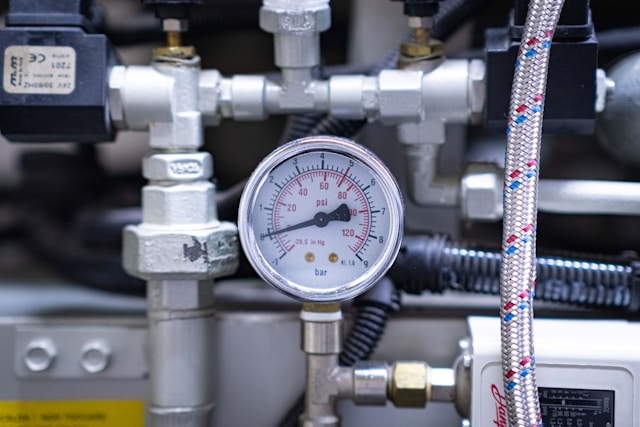
Industrial equipment used for predictive maintenance monitoring

Problems

Problems Predictive Maintenance Helps Teams See Earlier

Unplanned Breakdowns

Unexpected failures stop production lines and force teams into emergency repairs.

Missed Meter-Based Maintenance

Manual tracking leads to late follow-up and missed usage-based work.

No Visibility Into Asset Condition

Condition readings buried in spreadsheets are hard to compare over time.

Repeated Failures

Early warning signs are missed when readings and follow-up work are not connected.

Reactive Maintenance Cost

Emergency work, overtime, and spare usage rise when issues are caught late.

Weak Traceability

Meter logs and predictive checks are harder to review when they are stored separately.

Predictive Maintenance Workflow

How MaintBoard Supports Predictive Follow-Up

MaintBoard helps teams move beyond calendar-only maintenance by linking readings, checks, and follow-up work.

Step 1

Connect Equipment and Meters

Add assets and configure running hours, cycles, or other tracked values.

Step 2

Set Thresholds and Triggers

Define thresholds or trends that can trigger maintenance follow-up before failures grow.

Step 3

Review Condition Data

Track vibration, temperature, pressure, or other readings that matter for each asset.

Step 4

Create Follow-Up Work

Create predictive work from thresholds so teams do not rely only on manual follow-up.

Step 5

Record Mobile Inspections

Technicians capture readings and complete checks using mobile devices.

Step 6

Review Trends

Use reports and dashboards to review changing readings over time.

Step 7

Keep Reading History

Store meter readings, checks, and linked work history under the asset.

Step 8

Use Available Integrations

Bring available readings and data sources into the maintenance workflow.

Condition and Meter Follow-Up

Key Predictive Maintenance Features

MaintBoard keeps readings, checks, and follow-up work tied to the same maintenance records.

Meter-Based Triggers

Create follow-up work from running hours, cycles, or counts.

Condition Monitoring Records

Track vibration, temperature, and pressure against the checks your team runs.

Predictive Work Orders

Create predictive tasks from the rules your team sets.

Trend Review Dashboards

Review changing patterns and readings over time.

Traceable Records

Keep predictive checks, work history, and notes easier to review.

Mobile Inspections

Capture condition data and complete checks from mobile devices.

Where Teams Use Predictive Maintenance

Plants and facilities use predictive maintenance where readings, wear patterns, or condition checks need follow-up.

Manufacturing Plants.
Review readings on CNC machines, conveyors, presses, and other production assets.
Facility Management.
Track chillers, HVAC systems, pumps, and elevators with threshold-based follow-up.
Fleet & Transportation.
Use hours, wear indicators, and condition checks to plan maintenance.
Process Industries.
Review pump cycles, compressor hours, and valve condition history.
Commercial Buildings.
Track generators, chillers, and other critical building assets with follow-up rules.
Equipment Programs.
Keep connected equipment readings and maintenance follow-up in one record set.
MaintBoard predictive maintenance use cases

Metrics

What Teams Want From Predictive Maintenance

Teams use predictive maintenance workflows to spot issues earlier and keep follow-up work easier to manage.

issue detection

Readings and checks help teams spot changes before they become bigger failures.

Earlier

maintenance planning

Threshold-based follow-up helps teams plan work around asset condition.

Better

reading history

Meters, checks, and work history stay linked to the same asset records.

Clearer

Predictive Maintenance FAQs

How does predictive maintenance differ from preventive maintenance?
Preventive maintenance follows a schedule. Predictive maintenance uses readings, condition checks, or thresholds to decide when follow-up work is needed.
What types of equipment can benefit from predictive maintenance?
Any equipment with tracked hours, cycles, vibration, temperature, pressure, or similar readings can benefit.
How long does setup take?
Setup time depends on asset data, readings, and workflow configuration. The MaintBoard team can walk you through the rollout plan.
Can MaintBoard support integration with existing systems?
MaintBoard can support integration needs depending on your existing systems and workflow requirements.
What kind of training do you provide?
MaintBoard provides onboarding guidance, documentation, and support so teams can adopt the workflow more smoothly.
How is predictive maintenance history stored?
Readings, checks, notes, and linked work history stay connected to the asset record.

See How Predictive Maintenance Fits Your Process

Book a demo to review how readings, thresholds, and follow-up work could fit your maintenance process.